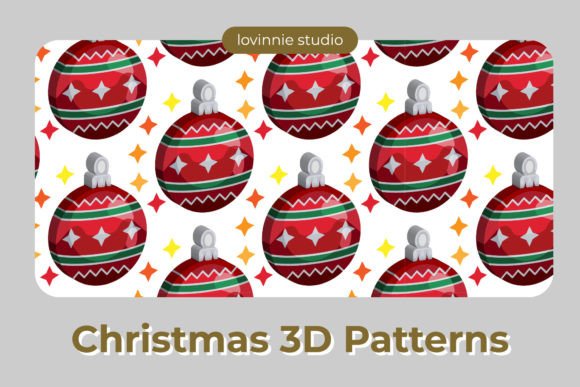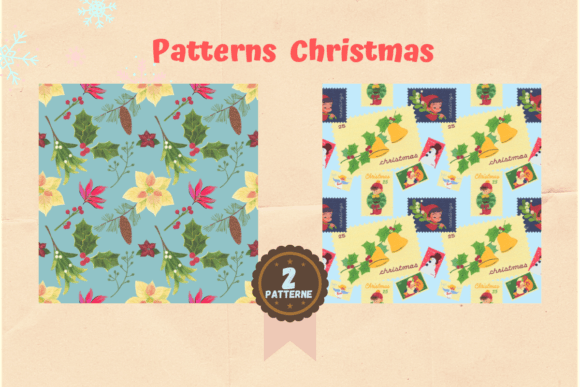
Patterns Christmas: A Practical Asset for Creative Execution
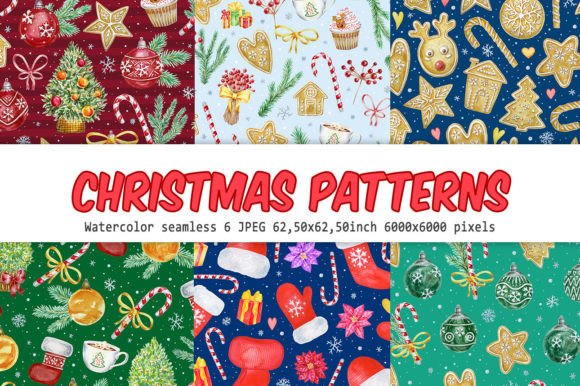
Patterns Christmas isn’t a trend, a tool, or a platform—it’s a high-resolution visual asset designed for immediate, flexible integration into real-world creative and commercial workflows. At its core, it’s a set of two 2000×2000 pixel PNG files, rendered at 300 DPI for crisp output across physical and digital applications. But its value lies not in what it is, but how it functions within your existing process: as a ready-to-deploy element that reduces friction between concept and delivery.
Where Patterns Christmas Fits in Your Workflow
Most visual assets require adaptation—resizing, color correction, background removal, or format conversion—before they’re production-ready. Patterns Christmas bypasses that step entirely. Its resolution and file format mean it works without modification in three primary contexts: interior design (e.g., children’s room murals or custom wallpaper), apparel production (screen printing or DTG on t-shirts, onesies, or tote bags), and souvenir manufacturing (mugs, notebooks, stickers, or holiday ornaments). That readiness makes it especially useful during the execution phase—when deadlines tighten, client revisions land, or inventory needs scaling.
For educators preparing seasonal classroom materials, it arrives at the right moment: after lesson planning is complete but before printing or laminating begins. For small business owners launching limited-edition holiday merchandise, it shortens the gap between mockup approval and factory handoff. For freelance designers building brand-aligned product lines, it serves as a consistent, on-brand texture layer—no need to generate or license new patterns from scratch.
Integration Without Disruption
Patterns Christmas doesn’t replace your design stack—it slots cleanly into it. Whether you use Adobe Photoshop for print prep, Canva for quick social assets, or Figma for collaborative prototyping, the PNGs import without rendering issues. Their transparent backgrounds eliminate clipping masks or layer adjustments. Because they’re raster—not vector—they’re ideal for texture, overlay, or background use, not for extreme scaling or logo work. That specificity matters: knowing *where it fits* prevents misapplication and wasted time.
Compatibility extends beyond software. It aligns with common production pipelines: CMYK-ready for offset printing, RGB-optimized for web and screen-based displays, and sized precisely for standard cut files used by vinyl plotters or embroidery digitizing tools. If your workflow includes Printful, Gelato, or local print shops, these files meet their baseline specs out of the box—no preflight warnings, no resampling prompts, no last-minute resizing compromises.
Practical Implementation Across Roles
- Small business owners: Upload directly to your Shopify product builder for mockups, then send the same file to your printer for physical labels or packaging. No version mismatch. No “this looks different in print” surprises.
- Educators and homeschoolers: Use one pattern as a printable activity sheet background (e.g., tracing, coloring, or letter matching), the other as a laminated wall chart. Both scale cleanly to A4 or US Letter without pixelation.
- Freelance illustrators and surface designers: Layer Patterns Christmas beneath original line art or watercolor scans to add subtle holiday rhythm—then export as a unified composite for client delivery or licensing submissions.
- Marketing teams: Drop into email templates, social banners, or landing page hero sections. Its balanced density ensures readability of overlaid text without competing visually.
Preparation and Quality Control
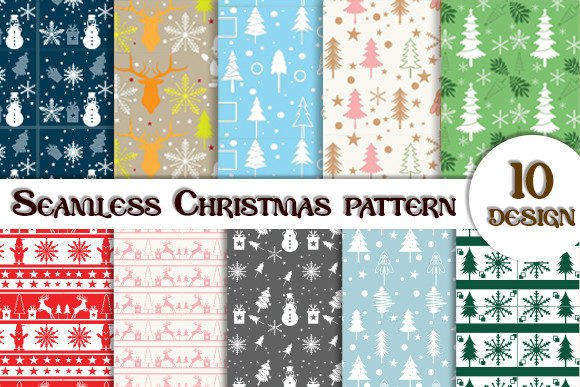
Before deploying Patterns Christmas, verify alignment with your output goals. Ask: Is this for screen or physical use? Will it be tiled or used as a single focal element? The 2000×2000 size supports both—but tiling requires checking edge continuity. Fortunately, the design is seamless by construction, so repetition feels natural, not jarring. That seamlessness wasn’t accidental; it reflects intentional pattern logic, making it more reliable than generic clipart or untested AI-generated repeats.
For long-term use—say, across multiple holiday seasons—store the files with clear naming conventions (e.g., Patterns_Christmas_SeasonalBG_300DPI.png) and keep a lightweight usage log: where it was applied, which variant worked best, and any client or audience feedback. This turns a static download into an evolving part of your asset library—one that gains context and utility over time.
Efficiency Gains You Can Measure
Time saved isn’t abstract here. Consider a typical apparel launch: sourcing a pattern, editing it for scale and bleed, testing on fabric swatches, adjusting contrast for ink opacity, and re-exporting for each garment type. With Patterns Christmas, that sequence collapses into three steps: place, scale, export. One designer reported cutting 6.5 hours off a 12-item holiday collection prep cycle—not by working faster, but by eliminating redundant technical steps.
That efficiency compounds when scaled. A boutique publisher using it across greeting cards, gift tags, and wrapping paper saw consistency improve across SKUs while reducing prepress review cycles by two rounds per season. No retraining. No new software. Just fewer variables between idea and output.
Organizing for Consistency and Reuse
Treat Patterns Christmas like a modular component—not a one-off graphic. Store it in a dedicated “Seasonal Assets” folder nested under your master brand resources. Pair it with complementary elements: a matching color palette swatch (.aco or .ase), a typography pairing suggestion (e.g., a clean sans-serif for headings + a gentle script for accents), and a brief usage note (“Best at 10–30% opacity for subtle texture; full opacity for bold background”). This transforms it from a download into a documented, repeatable part of your system.
When collaborating, share that folder—not just the PNGs. That way, contractors, interns, or agency partners apply it with the same intent and constraints you intended. Consistency emerges from structure, not instruction.
Realistic Limits—and Why They Matter
Patterns Christmas excels where precision, speed, and seasonal relevance intersect—but it’s not universal. It won’t replace custom illustration for narrative-driven campaigns. It won’t adapt dynamically to responsive web layouts the way SVG patterns might. And because it’s raster-based, it shouldn’t be stretched beyond 200% of native size in print without upscaling checks.
Recognizing those boundaries isn’t a limitation—it’s clarity. It tells you exactly when to reach for it (quick-turn holiday merch, classroom visuals, cohesive social series) and when to pause and commission something bespoke (a flagship brand campaign, a storybook spread, or a trademarked character line). That discernment saves time, budget, and creative energy.
Moving Forward With Intention
Patterns Christmas works because it respects your process instead of interrupting it. It assumes you already know your goals, your audience, and your tools—and simply removes one layer of friction from getting there. There’s no learning curve. No subscription. No dependency on third-party platforms. Just two files, built to perform.
Use them where speed and reliability matter most: when December deadlines loom, when a client asks for “something festive but not cliché,” or when you need to ship a batch of handmade goods without sacrificing polish. Done well, that kind of execution doesn’t draw attention to itself—it lets your ideas, products, and teaching land clearly, consistently, and on time.